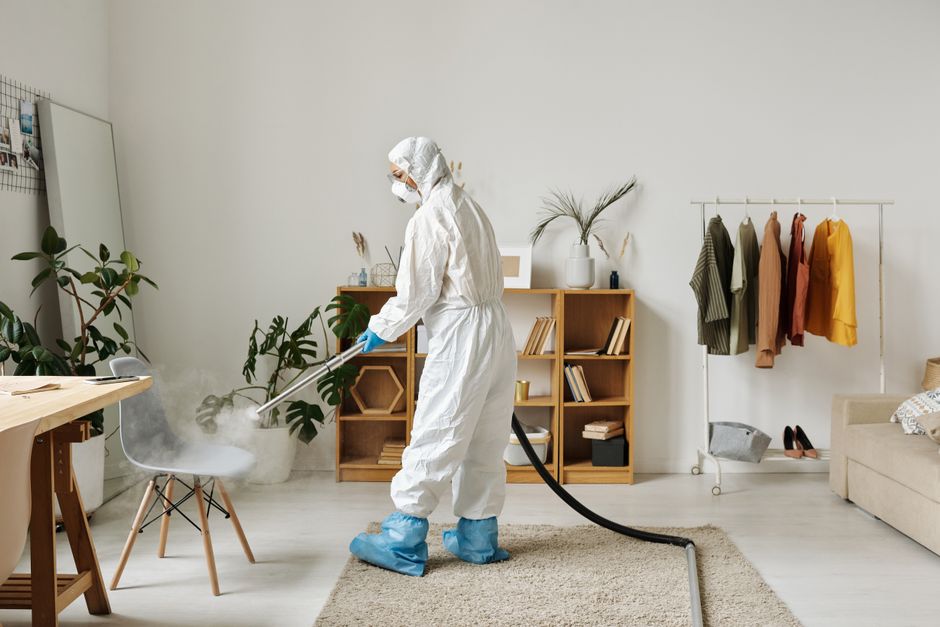
DIY office cleaning versus professional services UK: how to choose the right option for your workplace
If you are weighing up DIY office cleaning versus professional services UK, you are probably trying to solve a very practical problem: keep the workplace looking decent, safe and presentable without wasting money. Simple enough on paper. In real life, though, the answer depends on time, staff capacity, hygiene standards, and how much you can afford to let slip between cleans.
Some teams manage with a sensible in-house routine. Others find the office starts to feel sticky, untidy or just a bit tired by Thursday afternoon. And let's face it, nobody wants clients stepping into a reception that smells faintly of yesterday's lunch. This guide breaks down the difference clearly, so you can make a proper decision rather than guessing. We will look at what each option involves, the pros and cons, when each makes sense, and how to avoid the usual traps.
One thing worth saying up front: this is not just about appearance. Office cleaning affects morale, first impressions, shared equipment, and how easily you can keep on top of hygiene in busy UK workplaces. The right choice is often a mix of practical detail and common sense. Not glamorous, but very real.
- Why the decision matters
- How DIY and professional cleaning work
- Main benefits of each approach
- Who each option suits
- How to decide step by step
- Expert tips for better results
- Common mistakes to avoid
- Tools, resources and recommendations
- Compliance and best practice
- Comparison table
- Real-world example
- Practical checklist
- Frequently asked questions
Why DIY office cleaning versus professional services UK Matters
The difference between cleaning in-house and hiring a professional service goes well beyond who vacuums the floor. It affects consistency, cleanliness standards, staff workload, risk management and ultimately how people feel about the workspace. If your office is small, with low footfall and light use, a well-organised DIY routine may be perfectly fine. If your space is busy, client-facing or spread across multiple rooms, the calculation changes quickly.
In many UK offices, cleaning is one of those tasks that gets underestimated until it becomes obvious. A few missed bins, a skipped kitchen wipe-down, and suddenly the whole place feels off. It only takes one wet winter week, muddy shoes and a couple of takeaway coffees near keyboards, and you can see the problem. Professional services are designed to take that burden off your team and deliver a more predictable standard. DIY, on the other hand, can work well when the business is disciplined and realistic about what can be done.
What matters most is not which option sounds better in theory, but which one matches the way your office actually operates. That is the real question.
Expert summary: if cleaning jobs are drifting, staff are grumbling, or presentation is becoming inconsistent, professional support usually pays for itself in time saved and standards maintained. If your workplace is compact, low-risk and easy to manage, a structured in-house system can be a sensible choice.
How DIY office cleaning versus professional services UK Works
DIY office cleaning usually means employees, office managers or designated staff handle the day-to-day cleaning tasks. That may include emptying bins, wiping desks, cleaning kitchen surfaces, stocking supplies, vacuuming common areas and keeping washrooms tidy. Sometimes a business uses a rota. Sometimes one unlucky person becomes the unofficial cleaning hero. Truth be told, that happens more often than people admit.
Professional office cleaning works differently. A cleaning company supplies trained cleaners, schedules visits, brings equipment and products, and follows a defined scope of work. Depending on the agreement, they may clean early mornings, evenings, weekends or at agreed intervals during the week. The key advantage is consistency: you are buying a service level, not hoping someone has a spare ten minutes before a meeting.
In practice, many businesses end up with a hybrid model. Staff may handle light daily tidying, while a professional team carries out deeper, more systematic cleaning. That is often the sweet spot. It keeps the office presentable between visits without relying on employees to do work that is not really part of their job.
To understand the practical difference, think about a reception area in central London versus a small back-office unit. The first needs a polished, client-ready finish. The second may just need reliable upkeep. Same category, very different expectations.
Key Benefits and Practical Advantages
Benefits of DIY office cleaning
DIY cleaning can be useful when budget control matters and the office is small enough to manage in-house. It gives you direct oversight, and you can respond immediately to minor spills or tidy-ups without waiting for a cleaner to arrive. That can be helpful in a compact startup, a shared workspace or a business that operates on a very light footprint.
- Lower direct cash outlay if you already have basic tools and supplies.
- Flexible timing for small tasks that can be done as needed.
- Immediate response to mess, spills or kitchen issues.
- Simple control over what gets cleaned and how often.
The downside is that "cheap" can quietly become expensive if staff spend time cleaning instead of doing paid work. That's the bit people often miss. Ten minutes here, fifteen minutes there, across several team members, and the hidden cost starts to show up.
Benefits of professional office cleaning
Professional services bring structure, better equipment, and a more reliable finish. In our experience, the biggest difference is consistency. You know what you are getting, and you are not depending on a last-minute rota or someone feeling generous on a Friday evening.
- Consistent standards across desks, kitchens, washrooms and shared spaces.
- Time savings for your staff and managers.
- Better results on deeper tasks like floor care, sanitising touchpoints and periodic deep cleans.
- Reduced hassle around supplies, scheduling and accountability.
- More suitable for client-facing spaces where appearance matters.
There is also a morale angle. A tidy, well-kept office simply feels better to work in. People notice. They may not say it out loud, but they do notice.
Who This Is For and When It Makes Sense
The right answer depends heavily on your office type, size and occupancy. A solo consultancy in a small serviced office does not have the same needs as a growing recruitment team, a legal practice, or a busy agency with customers coming in and out all day.
DIY office cleaning makes sense if:
- your office is small and easy to maintain;
- you have a low number of staff;
- the workplace is not client-heavy or public-facing;
- you can keep standards steady with a clear rota;
- your team is willing and able to take on light cleaning tasks.
Professional office cleaning makes sense if:
- you need a consistently polished appearance;
- your office has busy shared areas or washrooms;
- you want to reduce pressure on staff;
- you are dealing with higher footfall, more dust, or more frequent spillages;
- you want a cleaner result without micromanaging the process.
A good rule of thumb: if the office starts looking untidy again almost immediately after a DIY clean, then your current system may be too light for the space. If it takes a lot of effort just to keep up, professional support is probably the calmer option.
And yes, sometimes the right answer is not either/or. A mixed arrangement can work really well.
Step-by-Step Guidance
If you are stuck between the two options, work through this in a practical order rather than guessing.
- List the cleaning tasks your office actually needs each week.
- Separate daily tasks from deep-clean tasks. Wiping a kitchen surface is not the same as cleaning carpets or floors.
- Estimate staff time if you do it in-house. Be honest. Not optimistic. Honest.
- Check your standards. Is "good enough" truly good enough for client visits?
- Think about risk areas such as washrooms, kitchens, touchpoints and waste disposal.
- Decide what can stay DIY and what needs specialist help.
- Compare overall cost, not just the invoice. Time, supplies and disruption count too.
- Trial the setup for a few weeks and review the results.
If you are leaning toward professional help, it is worth looking at a specialist office cleaning service rather than trying to patch together a system that is already struggling. A structured service can be adapted to your schedule and the realities of the building. If you are still exploring broader support, a reputable cleaning company can usually explain the difference between routine upkeep, periodic deep cleaning and specialist treatments without the hard sell.
If you are more interested in recurring support for a team-based workplace, office cleaners are often the most direct fit for regular commercial cleaning needs.
Expert Tips for Better Results
The best office cleaning setups, whether DIY or professional, usually follow the same principles: consistency, clarity and simplicity. Fancy systems tend to fall apart. Simple ones survive.
- Keep a short cleaning schedule that names tasks, not just vague expectations.
- Use colour-coded cloths or tools so kitchen and washroom cleaning is not mixed up. Easy mistake. Avoidable mess.
- Focus on touchpoints like handles, switches, kettle buttons and shared desks.
- Use the right product for the job. A general spray is not magic.
- Make supplies visible and easy to reach. If people have to hunt for them, they will not bother.
- Review busy zones more often than low-use areas.
Another useful habit: clean as you go. It sounds almost too obvious, but it works. A quick wipe after lunch, a ten-second clear-down at the end of the day, and an empty bin before it overflows can cut the workload down dramatically. Little things stack up.
For deeper upkeep, services such as deep cleaning are worth considering when the office needs more than the daily wipe-and-vacuum routine. That might be after a busy season, before a tenant handover, or after the place has simply got a bit grubby. It happens. Offices are human spaces, after all.
Common Mistakes to Avoid
Most office cleaning problems are not caused by one big failure. They creep in through small, repeated mistakes. The good news is that they are usually fixable once you spot them.
- Assuming staff will remember everything without a rota or written process.
- Confusing tidying with cleaning. Neat desks do not automatically mean hygienic surfaces.
- Underestimating hidden tasks like restocking soap, sanitising bins or cleaning behind shared equipment.
- Using the wrong products for floors, screens or fabrics.
- Ignoring high-contact areas because they do not look dirty at first glance.
- Letting standards slide until the office needs a much bigger reset.
One particularly common issue is trying to do professional-level work with a DIY mindset and no plan. That usually leads to inconsistent results, annoyed staff and a kitchen that never quite feels clean enough. Not ideal. Not even close.
Another mistake is choosing a professional service without agreeing what "clean" means in your office. A clear scope is essential. If you want desks dusted, bins emptied, washrooms cleaned and floors maintained, say so plainly. Obvious, yes. Still often missed.
Tools, Resources and Recommendations
If you are going the DIY route, the right tools make a big difference. A basic but sensible kit will usually cover most needs without overcomplicating things.
- microfibre cloths for surfaces and screens;
- a reliable vacuum cleaner suitable for commercial flooring;
- neutral floor cleaner where appropriate;
- non-abrasive disinfectant or sanitising products;
- bin liners and spare liners;
- paper towels or reusable drying cloths;
- gloves for washroom and kitchen tasks;
- storage caddy for supplies so nothing goes missing.
For businesses looking to outsource, it helps to choose providers that are clear about scheduling, insurance, and service scope. You may also want to review insurance and safety information, especially if cleaners will be working around staff, equipment or after-hours access. That kind of detail can feel boring until it becomes very important. Then it is suddenly the most interesting page on the site.
If sustainability matters to your business, a page on recycling and sustainability can help frame how waste is managed, what materials are used and whether the service aligns with your internal values. Many offices now want a cleaner workplace without unnecessary waste. Reasonable ask, really.
For pricing conversations, a dedicated pricing and quotes page is often the easiest way to understand what affects the final figure and what service level you are actually buying.
Law, Compliance, Standards, or Best Practice
Office cleaning in the UK is not just about visual standards. There are health, safety and hygiene considerations, especially where staff share kitchens, toilets, entrances and workstations. You do not need to become a compliance expert to run a clean office, but you should understand the basics.
Professional cleaners should follow sensible workplace safety procedures, use products correctly, and avoid creating slip hazards or chemical issues. Businesses should also think about manual handling, access control, waste disposal and how cleaning products are stored. If you are using in-house staff, they should be briefed properly rather than just handed a bottle and told to "give it a go".
A good professional provider should also be able to explain how they approach safety, training and accountability. Pages such as health and safety policy and cleaners can be useful markers of how seriously a company treats process and workforce standards. You are looking for calm competence, not overblown claims.
In practice, best practice usually means:
- clear task lists and cleaning frequencies;
- safe product use and storage;
- attention to high-touch and shared areas;
- good ventilation when appropriate;
- regular review of cleaning outcomes;
- proper communication if an issue is missed or needs urgent attention.
That last point matters more than people think. A service that is easy to speak to is often a better service, even if the price is not the absolute lowest. Because when something goes wrong, and sometimes it does, you want a quick fix, not a maze.
Options, Methods, or Comparison Table
If you are still deciding, this side-by-side comparison can help clarify the difference at a glance.
| Factor | DIY office cleaning | Professional cleaning services |
|---|---|---|
| Upfront cost | Usually lower in cash terms | Higher direct spend, but more predictable |
| Staff time | Uses employee time | Minimal staff involvement |
| Consistency | Depends on people and routine | Usually more consistent |
| Quality of finish | Can be adequate for light use | Typically stronger for client-facing spaces |
| Deep cleaning capability | Limited unless you buy specialist tools | Better access to specialist methods |
| Convenience | Works if the office is simple | Better for busy or larger workplaces |
| Accountability | Can be patchy without supervision | Clearer if the service scope is agreed well |
| Best for | Small, low-footfall offices | Busy, larger or image-sensitive offices |
As a practical middle ground, some businesses use professional help for the main cleaning tasks and keep only very light DIY habits in-house. That usually gives the best of both worlds. Less stress. Better standards. Cleaner mugs, too, which always seems to matter more than it should.
Case Study or Real-World Example
Picture a small design agency in London with twelve staff, one meeting room, a kitchen and a compact open-plan office. For the first year, they handled cleaning themselves. Everyone meant well. It started with a rota. Then someone was away. Then two people were working late. The bins were emptied most of the time, but not always on Friday. The microwave got a bit grim, and the fridge became a mysterious science experiment by Thursday afternoon.
Eventually they switched to a professional office cleaning arrangement three evenings a week, while staff still cleared their own desks and kept the kitchen reasonably tidy during the day. The result was not dramatic in a cinematic way. No confetti. No trumpets. But the office felt calmer, looked better for visitors, and managers stopped wasting time chasing the rota. The team noticed the difference within a week or two.
That is a common pattern. DIY often works until it quietly stops working. Professional support does not need to be flashy; it just needs to be dependable.
For a business with regular client meetings, that dependability can be worth more than the apparent savings of doing everything in-house.
Practical Checklist
Use this checklist before deciding between DIY and professional services:
- Do we have enough time to clean properly every week?
- Are staff already overloaded with core responsibilities?
- Does the office have washrooms, kitchens or high-traffic shared spaces?
- Do we need a more polished look for clients or visitors?
- Can we maintain consistent standards without constant reminders?
- Do we know which tasks need daily, weekly or periodic attention?
- Are we keeping cleaning supplies and equipment in good condition?
- Would a professional service save management time and stress?
- Do we need specialist support for floors, carpets or periodic deep cleans?
- Have we checked safety, insurance and service scope properly?
If you can answer "yes" to most of the first few questions, a DIY approach may be workable. If several answers are no, professional help is probably the more sensible path. No drama. Just a better fit.
Conclusion
Choosing between DIY office cleaning versus professional services UK is really about matching the cleaning approach to the way your office actually functions. DIY can be cost-conscious and practical for small, low-demand spaces. Professional services are usually the better choice when consistency, presentation and staff time matter more.
The honest answer is that many businesses do best with a hybrid setup: light daily tidying in-house, supported by a professional team for regular and deeper cleaning. That keeps standards up without putting pressure on people who already have real jobs to do. A decent clean office is not a luxury. It is part of how a workplace feels to the people in it.
Get a free quote today and see how much you can save.
If you are still undecided, start small, review the results and be realistic about what your team can sustain. A cleaner office is one of those quiet wins that makes the week run better. You notice it in the morning air, the tidy kitchen counter, the calmer mood. Small thing. Big difference.
Frequently Asked Questions
Is DIY office cleaning cheaper than hiring professionals in the UK?
It can be cheaper in direct cash terms, especially for small offices. But you should also count staff time, supplies, lost productivity and the risk of inconsistent results. Sometimes the "cheaper" option is only cheaper on paper.
What is the main difference between DIY office cleaning and professional services?
DIY cleaning relies on your own staff, rota and equipment. Professional services bring trained cleaners, defined schedules and a more consistent standard. The big difference is reliability and time saved.
How often should an office be professionally cleaned?
That depends on footfall, office size and how the space is used. Busy client-facing offices often need more frequent cleaning than small internal teams. A good provider will usually suggest a schedule based on the actual workload, not guesswork.
Can staff legally be asked to clean the office?
In practice, employees can sometimes be asked to do light tidy-up tasks if that fits their role and workplace arrangements. But using staff for regular cleaning without proper agreement, training or clarity can create friction fast. It is better to be explicit and fair.
Is a professional cleaning service better for hygiene?
Usually yes, especially for shared kitchens, washrooms and high-touch surfaces. That said, hygiene still depends on the quality of the service and how well the scope is managed. A poor contract is still a poor contract.
What cleaning tasks are realistic to keep in-house?
Light tasks like desk tidying, wiping up minor spills, emptying personal bins and keeping kitchens neat are often suitable for in-house routines. Deep cleaning, floor care and more detailed sanitation are usually better left to professionals.
Do professional cleaners bring their own products and equipment?
Often they do, but not always in the same way. Some services supply everything, while others may agree specific products or tools in advance. It is sensible to confirm this before you book.
What should I look for in a UK office cleaning company?
Look for clear service descriptions, sensible communication, safety awareness, insurance, and a willingness to define the scope properly. A company that explains its process clearly is usually easier to work with than one that keeps everything vague.
How do I know if my office needs a deep clean?
If your regular cleaning is no longer enough to make the office feel properly fresh, or if certain areas keep looking dull, sticky or neglected, a deep clean may be due. Carpets, floors, kitchens and high-touch areas are common clues.
Can a small office still benefit from professional cleaning?
Absolutely. Small offices often benefit because they can stay on top of standards without burdening the team. Even a modest service schedule can make a noticeable difference if the space sees regular use.
What if we only want cleaning once a week?
That can work for lower-use spaces, but weekly cleaning may not be enough for busier offices. The key is matching frequency to actual use. If the office is full most days, once a week may leave too much to chance.
Should we combine DIY cleaning with a professional service?
Yes, very often that is the most practical model. Staff handle small day-to-day tasks, and professionals handle the main cleaning load. It tends to be the least stressful option for many UK businesses.