Cleaning Office Cleaners in London
Cleaning Office Cleaners provides office cleaning in London for businesses that want a tidy, workable place to receive staff, clients and visitors. Our service is built around practical day-to-day cleaning rather than one-size-fits-all promises, so the work can suit shared offices, managed suites, meeting rooms and other commercial interiors. We focus on the areas people use most, the finish people notice first, and the routine tasks that help a workplace feel maintained.
Office cleaning is most effective when it is planned around the building’s layout, the level of footfall and the surfaces that need regular attention. That can include desks, shared touchpoints, floors, washrooms, kitchens, reception areas and internal glass, together with bin emptying and other agreed tasks. If your workplace needs a regular schedule or a more occasional clean, we can shape the work to the site and keep the scope clear from the outset.
For a straightforward quotation, use the pricing and quotes page or contact us once you know the areas you want covered. If you are comparing options, it can also help to look at the service pages that match the type of office cleaning you need and then choose the level of care that fits the building.
Routine office cleaning for busy workplaces
Routine office cleaning is usually the best fit where consistency matters more than deep restoration. It keeps on top of day-to-day dirt, dust and marks before they become a bigger job, which helps maintain a presentable space between visits. Our approach can cover workstations, shared desks, meeting tables, screens, skirting, entrances and other high-contact points, while leaving more specialist tasks for separate arrangements where needed.
Because no two offices are arranged in quite the same way, the clean should reflect how people actually use the space. A reception that sees frequent visitors may need more visible attention than a back office. A shared kitchen may need stronger focus than a storage room. When the scope is set clearly, routine cleaning becomes easier to manage and easier to check, which is often what clients want from a commercial cleaning service.
Areas inside the office that benefit from regular care

Some parts of an office need attention every visit because they are handled so often. Door handles, switches, banisters, light-touch surfaces and shared equipment can collect grime quickly, particularly in compact layouts or teams with constant movement. Good office cleaning gives those places consistent attention, while still respecting any items, screens or equipment that should only be cleaned in a limited way.
The main rooms in a workplace often need different methods rather than the same treatment everywhere. For example, hard floors may need sweeping and mopping, while carpeted spaces need vacuuming and edge cleaning. Kitchens and tea points need a more hygiene-led approach than corridors. Washrooms need a separate standard again. That is why a sensible cleaning plan is usually based on the room, not just the square footage.
Where it suits the site, we can also include internal glass, spot cleaning of marks on doors or partitions, and detail work in spaces that visitors see first. These are the finishing touches that often shape the overall impression of the office, even when the main job is simply to keep the building in steady order.
H3: Meeting rooms, receptions and shared spaces
Reception areas and meeting rooms often need a cleaner, more composed appearance than back-of-house rooms because they are used for greetings, interviews and client conversations. In these spaces, office cleaning usually goes beyond vacuuming and emptying bins. It may include polishing visible surfaces, keeping furniture free from dust, and making sure the room looks ready for use without unnecessary clutter or residue.
Shared areas also deserve clear thinking about what is and is not included. A corridor, a waiting area and a breakout space each create different cleaning priorities. For example, a reception desk may need regular dusting and point-cleaning, while a breakout area may need extra care around tables, microwaves and seating. If you have a building with several user zones, it is sensible to set them out separately so the quotation reflects the actual work required.
Useful decisions to make early include which rooms are cleaned every visit, which are cleaned less often, and which items should be left alone because they are sensitive or specialist. That keeps the service practical and avoids confusion later. Clear instructions at the start usually make the routine easier for everyone involved.
Deep cleaning when a fuller reset is needed
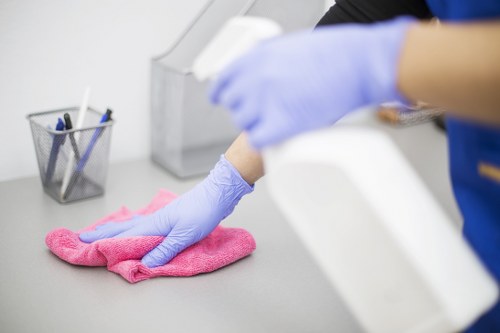
Deep cleaning is different from routine office cleaning because it reaches the dirt that standard maintenance work does not always remove. It can be useful after a period of heavy use, before a change in occupation, or when a workplace needs a more detailed refresh. The work often takes in edges, corners, fixtures, fittings and neglected contact points that are easy to miss during a faster clean.
This type of service is best thought of as a more detailed version of cleaning rather than a replacement for regular visits. Depending on the premises, it may involve extra attention to desks, behind movable furniture, shelves, skirting boards, internal ledges, kitchens and washrooms. Because the level of build-up can vary, a deep clean is usually specified more carefully than a standard weekly or fortnightly arrangement.
Deep cleaning can also help where a space has changed function or has been unused for a while. The aim is to bring the interior back to a cleaner baseline so follow-on maintenance is easier. If you are not sure whether a routine visit or a deeper clean is the better fit, it is usually worth describing the space and the condition you want to reach, then comparing options before you book. Get in touch when you are ready to compare the right scope.
Floor care, carpets and hard surfaces
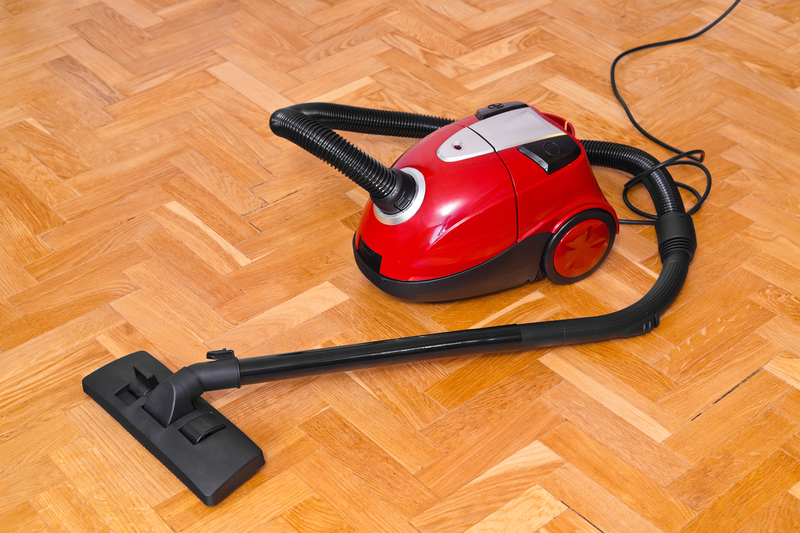
Office floors need different methods depending on the material. Carpeted areas often need vacuuming, stain awareness and care around entrances where soil is tracked in. Hard floors may need sweeping, mopping or machine cleaning, along with suitable treatment for the finish in question. The wrong approach can leave a floor looking dull or streaked, so matching the method to the surface is important.
In many workplaces, floor cleaning is not only about appearance. It is also about keeping walkways safer and reducing the mess that spreads from entrances and communal routes into desks or meeting rooms. Grit on a hard floor or dust in a carpeted corridor can quickly undermine the rest of the cleaning work. A measured plan helps the whole building feel more orderly, especially where visitors see the floor before anything else.
Where a site needs more than general attention, a separate carpet cleaning or hard floor cleaning service may be the better choice. Those pages are useful if you want the floorwork set out on its own, while a broader office clean can focus on the rooms, touchpoints and daily maintenance around it.
Washrooms, kitchens and other shared facilities

Washrooms and kitchenettes call for a more detailed standard because they are shared by the whole workplace and used frequently throughout the day. In those areas, office cleaning usually means careful attention to sinks, taps, worktops, external appliance surfaces, fixtures, mirrors and the sanitary fittings themselves. The aim is to keep them orderly, hygienic in appearance and ready for the next user.
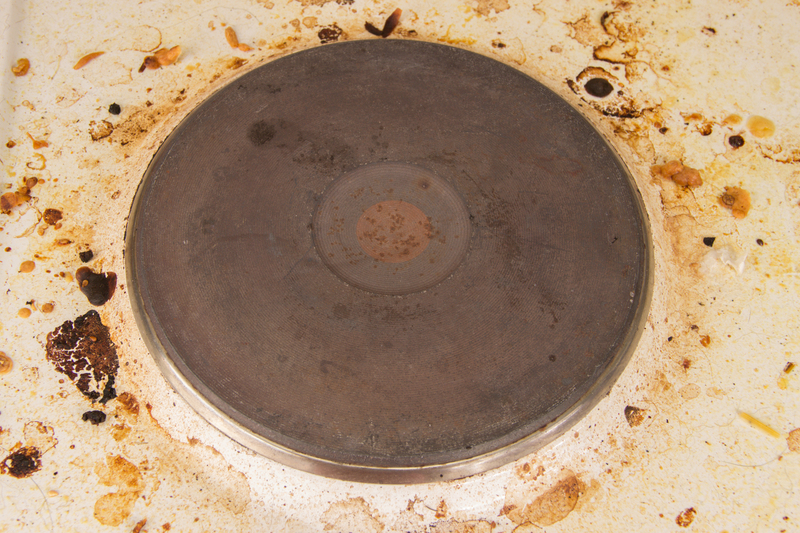
It is helpful to separate the tasks that belong to routine cleaning from those that need specialist treatment. For example, a kitchenette may need regular wipe-downs and floor care, while an oven or appliance that has heavy residue may need a dedicated service. This keeps the regular clean efficient and avoids stretching it beyond what is sensible for the agreed visit time.
If your building includes communal food areas, you may also want to review oven cleaning where the kitchen equipment needs a more focused treatment. That kind of related service can sit alongside office cleaning without changing the main schedule, as long as the scope is stated clearly.
H3: Scheduling, access and preparation
Most office clients want the clean arranged so it fits around working hours, deliveries and building access. That might mean early morning, evening or another agreed slot, depending on how the premises are used. The exact pattern matters less than whether it is reliable and realistic for the site. If the building has security arrangements, keys, fobs or sign-in procedures, those should be described clearly at quotation stage.
When preparing for a quote, it helps to list the rooms to be cleaned, note any unusual surfaces, and explain whether the site is occupied, partly used or empty. Photographs can also be useful where the condition of the premises is hard to describe in words. A concise note about access, parking or loading restrictions may save time later, but the most important thing is an accurate picture of the work you want carried out. These details keep the discussion practical without making the process complicated.
If you want to compare different levels of support, the office cleaning page gives a broader view of the core service, while the one-off cleaning page can help if you only need a single visit. Choose the option that matches how often the space actually needs attention.
What shapes the quotation for an office clean

The quotation for office cleaning usually depends on the size of the premises, the number of rooms, the condition of the space and the tasks included. A small workspace with straightforward surfaces will naturally be different from a multi-room office with meeting spaces, kitchens, washrooms and mixed flooring. Time on site, frequency and the level of detail all influence the eventual scope, so it helps to be specific from the start.
Some offices need only light maintenance, while others need a more detailed specification that includes regular sanitising of touchpoints, extra floor care or careful work in shared facilities. If you are comparing providers, it is sensible to check whether the quote reflects the same rooms, the same frequency and the same depth of work. That makes the figures easier to compare and reduces the risk of misunderstanding later.
To move ahead, you can request a quotation once you know the rooms and tasks you want covered. For a related overview of costs and scope, see pricing and quotes. If you are ready to arrange office cleaning in London, send your details today and we will help you shape a sensible plan.
About London
London is a large and historically layered city on the River Thames, with a pattern of growth shaped by Roman foundations, medieval trade, Georgian rebuilding and the rapid expansion of the nineteenth century. Its core districts contain a dense mix of streets, civic buildings and commercial blocks, while outer boroughs include long stretches of residential neighbourhoods, parks and industrial heritage sites. The city’s identity has been formed as much by movement as by permanence: river crossings, rail termini, markets and administrative boundaries have all influenced how people experience it. Landmarks such as the Palace of Westminster, the Tower of London and St Paul’s Cathedral sit alongside newer architectural clusters and regenerated waterfronts, giving the city a varied skyline. Large green spaces including Hyde Park, Regent’s Park, Hampstead Heath and Richmond Park provide broad relief from the built-up centre, while the Thames, the Lea and the canal network continue to shape routes, leisure and local character. Museums, theatres, galleries and concert venues support a strong cultural life, and the city remains notable for the way different districts keep distinct identities even within the same urban area. Streets around the West End feel very different from riverside quarters, garden suburbs or warehouse-lined neighbourhoods, yet they all sit within the same wider metropolitan fabric. Transport infrastructure is another defining feature, with Underground lines, rail termini, buses and river services linking boroughs that often developed at different times and at different speeds. That combination of history, scale and variety makes London a city of repeated contrasts, where old and new, formal and informal, and civic and private spaces sit close together.
Cleaning plans for offices of different sizes
Office cleaning works best when the plan reflects the type of workplace rather than forcing every building into the same pattern. A compact office may need a focused routine that keeps desks, floors and a single shared kitchen in order. A larger site may need a more layered schedule, with different frequencies for meeting rooms, washrooms, reception areas and circulation spaces. Matching the plan to the premises makes the service more efficient and easier to manage.
It is also worth separating everyday tidying from proper cleaning. The two are related, but they are not the same. Office cleaning deals with dust, residue and visible marks in a systematic way, whereas tidying is more about arrangement and general order. A well set-up service can support both, but the scope should be clear so that neither side is assumed without agreement. That clarity is especially useful in workplaces with several teams or changing occupancy patterns.
If your premises need a broader commercial cleaning arrangement, the cleaning company page gives a wider view of related services. If you are looking for a more focused workspace clean, the office cleaners page is the most direct route back to the main service.
Choosing the right frequency and level of detail
One of the most important decisions in office cleaning is how often the work should happen. Too little and the office can start to feel tired; too much and you may be paying for visits that do not add much value. The right frequency depends on footfall, building use, the presence of visitors and the standard you want to maintain. Some sites benefit from daily maintenance, while others are better served by weekly or occasional attention.
The level of detail should also be realistic. Not every office needs intensive work at every visit, but almost every office benefits from a careful focus on visible and shared areas. That includes bins, floors, desks, entrances and washrooms, together with any agreed extras. A practical service is usually more successful than an overcomplicated one, because it is easier to repeat well and easier to monitor over time.
For premises where hygiene and presentation are equally important, a regular office clean may sit alongside a periodic deep cleaning visit. That combination can be a sensible way to keep standards steady without making every clean unnecessarily intensive.