Insurance and Safety for Cleaning Office Cleaners
 Cleaning Office Cleaners and their employers must prioritise safety and liability protection as an integral part of every contract and daily operation. Whether serving a small business suite or a multi-floor corporate headquarters, professional office cleaners need clear policies on public liability insurance, staff competence, and the provision of appropriate personal protective equipment. This page outlines how commercial cleaning teams can demonstrate responsibility, reduce risk, and maintain client trust through robust insurance and safety practices.
All reputable office cleaners should carry comprehensive insurance cover that reflects the scale and nature of the work they undertake. Public liability insurance protects both the cleaning provider and the client from the financial impact of third-party injury or property damage that may occur during cleaning operations. This includes accidents like slips on wet floors, damage to office fixtures, or inadvertent damage to equipment. Beyond the policy itself, transparent communication about the limits and scope of cover is essential for building confidence with facility managers.
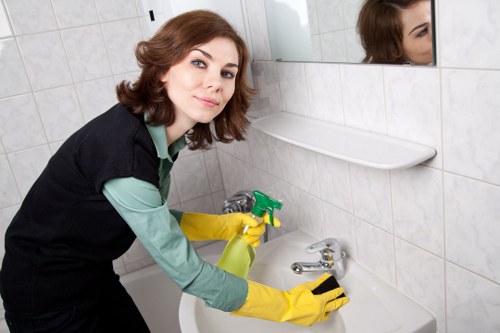 In addition to insurance, properly trained cleaning staff form the first line of defence against incidents. Training for commercial cleaning staff should cover safe handling of chemicals, ergonomic techniques for repetitive tasks, correct use of cleaning machinery, and effective waste disposal. Regular refresher courses ensure that cleaning office cleaners remain current with best practices and regulatory changes. Companies should maintain records of training outcomes and certifications so they can demonstrate compliance when required.
Risk assessment is the cornerstone of any safety management plan used by professional office cleaning teams. A systematic risk assessment process starts with site-specific surveys that identify potential hazards—wet floors, uneven surfaces, fragile office equipment, or restricted access areas. Once hazards are identified, the assessor evaluates likelihood and severity, then determines proportional control measures. Clear documentation of this process not only improves safety but also supports claims handling in the unlikely event of an incident.
 A standard risk assessment cycle for commercial cleaners typically follows five steps: identify hazards, decide who might be harmed and how, evaluate and implement controls, record findings, and review the assessment regularly. This cycle should be customised for each location and task, whether it is daily desk cleaning, carpet deep cleaning, or one-off window services. Embedding this methodology ensures that risks are anticipated and mitigated rather than merely reacted to.
PPE (personal protective equipment) is a practical control that reduces exposure to hazards during cleaning activities. Essential items for office cleaning staff commonly include disposable gloves, eye protection, non-slip footwear, and appropriate aprons or coveralls. For tasks such as handling strong detergents or steam cleaning, respiratory protection and chemical-resistant gloves may be necessary. Employers must supply PPE suitable for the task and ensure staff know how to use and maintain it correctly.
To support health and safety culture, organisations that employ or contract office cleaning professionals should implement standard operating procedures (SOPs) that integrate insurance considerations, training requirements, PPE rules, and risk assessment outputs. SOPs clarify responsibilities: who records incidents, who liaises with insurers, and who oversees training compliance. Regular audits and toolbox talks help keep the team focused on safe working practices and reduce the frequency of incidents that lead to claims.
 Staff training is most effective when it blends theoretical instruction with practical demonstration and competency checks. New recruits should complete an induction that covers company policies, the contents of their public liability cover, emergency procedures, manual handling techniques, and the correct disposal of cleaning chemicals. Ongoing supervision and on-site mentoring are invaluable for aligning individual behaviour with organisational safety standards.
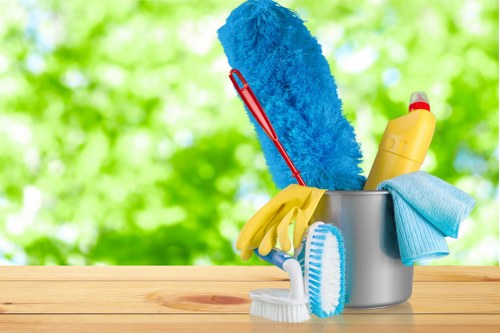 For managers and procurement teams engaging commercial cleaning services, verifying insurance and safety credentials should be routine. Ask for copies of public liability certificates, summaries of risk assessments conducted at the specific premises, and records of staff training and PPE provision. These documents confirm that the cleaning contractor operates to a professional standard and that cleaning office cleaners are equipped and trained to perform their work safely.
Claims Management and Continuous Improvement
Even with thorough precautions, incidents can occur. A clear claims management process reduces disruption and cost. Contractors should maintain incident logs, photos when appropriate, witness statements, and timely communication with insurers. Learning from incidents through root-cause analysis and updating risk assessments is essential for continuous improvement and demonstrates a proactive approach to risk.
Final considerations for safe, insured cleaning
In summary, well-managed insurance and safety practices for office cleaners combine adequate public liability cover, structured training programmes, appropriate PPE, and an active risk assessment process. These components protect workers, clients, and assets while promoting a culture of safety and professional excellence in the commercial cleaning industry. Prioritising these areas helps ensure that cleaning services are not only effective but also safe and insured for all stakeholders.