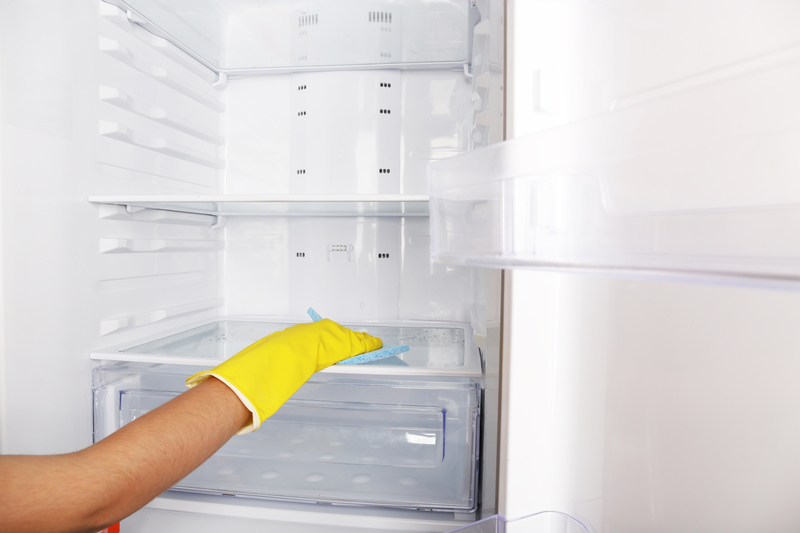
Effortless Ways to Keep Your Home Dust and Allergen-Free

Introduction
Every sneeze, sniffle, and itchy eye that happens indoors isn't random. For many households, it's a predictable reaction to dust and common indoor allergens like pet dander, dust mites, mould spores, and pollen carried inside. The good news? You don't need a hazmat suit or weekend-consuming routines to fix it. In this comprehensive guide, you'll learn effortless ways to keep your home dust and allergen-free using proven methods, smart tools, and daily habits that integrate seamlessly into busy life.
Whether you're managing asthma, seasonal allergies, or just want a cleaner, calmer space, the strategies below are grounded in building science, public health recommendations, and practical experience. Expect clear, step-by-step guidance; data-backed tips; and UK-focused standards to help you choose filters, set ideal humidity, and clean without spreading allergens.
Table of Contents
- Why This Topic Matters
- Key Benefits
- Step-by-Step Guidance
- Expert Tips
- Common Mistakes to Avoid
- Case Study or Real-World Example
- Tools, Resources & Recommendations
- Law, Compliance or Industry Standards (UK-focused)
- Checklist
- Conclusion with CTA
- FAQ
Why This Topic Matters
Indoor air quality (IAQ) directly affects respiratory health, sleep, productivity, and overall wellbeing. According to public health guidance and multiple studies, people spend roughly 90% of their time indoors, where pollutant concentrations can be higher than outdoors. Dust is not just dirt; it's a complex mix of fibres, skin flakes, pet dander, microscopic plastic particles, soil, soot, and biological allergens (dust mite droppings and carcasses). When airborne, these particles irritate airways and trigger symptoms, especially in children, older adults, and those with asthma or allergies.
By adopting effortless ways to keep your home dust and allergen-free, you reduce exposure to triggers that cause inflammation and discomfort. The biggest wins come from a few high-impact interventions: effective filtration, humidity control, smart cleaning techniques, and strategic decluttering. You don't need perfection; you need consistency and a plan.
Key Benefits
- Fewer symptoms: Decrease sneezing, coughing, itchy eyes, and asthma flares by reducing airborne allergens.
- Cleaner surfaces, longer: Microfiber and proper filtration capture particles before they resettle.
- Healthier sleep: Dust-mite controls and bedding routines improve night-time breathing and rest quality.
- Better-smelling, fresher rooms: Ventilation and humidity management reduce musty odours and mould risk.
- Less time cleaning: Preventing dust is easier than chasing it. Small, consistent actions reduce deep cleans.
- Cost-effective: Right-sized filters, washable covers, and targeted tools save money versus trial-and-error buying.
- All-season resilience: Strategies adapt to pollen spikes, winter damp, pet shedding, and renovation dust.
Step-by-Step Guidance
1) Set Your Air Quality Foundations
- Choose the right filtration
- Portable air purifier: Select a unit with true HEPA (H13 or H14 to BS EN 1822) for bedrooms and living areas. Match Clean Air Delivery Rate (CADR) to room size; a good rule is 4-5 air changes per hour.
- Whole-home filtration: If you have a ducted system, use a high-efficiency filter. In the UK, filters are commonly specified using ISO 16890 (ePM1 or ePM2.5 ratings). Aim for ePM1 ≥ 50% for superior fine-particle capture.
- Control humidity
- Maintain relative humidity (RH) between 40-50%. Below 40% increases dryness and dust resuspension; above 50% fosters dust mites and mould.
- Use a hygrometer in bedrooms and living spaces. Deploy dehumidifiers in damp seasons/rooms and humidifiers sparingly in dry weather--always clean tanks to avoid microbial growth.
- Ventilate smartly
- Use kitchen and bathroom extract fans during and 20 minutes after moisture-generating activities.
- On high-pollen or high-pollution days, favour mechanical ventilation and keep windows closed during peaks; 'air out' when counts are lower (often early morning or late evening).
2) Defeat Dust at the Source
- Entryway strategy: Create a dirt barrier with a coarse outdoor mat and a washable indoor mat. Institute a shoes-off policy to cut lead, pollen, and soil tracked in.
- Declutter surfaces: The more knick-knacks, the more dust landings. Store seldom-used items behind doors or in sealed boxes; display fewer, rotate more.
- Choose low-shedding textiles: Opt for tightly woven curtains or blinds you can easily wipe; launder throws and cushion covers regularly.
3) Clean Without Spreading Allergens
- Vacuum technique matters
- Use a vacuum with sealed body and HEPA filtration (H13 recommended). Empty in an outdoor area or use self-sealing bags.
- Move slowly: about 3-5 cm per second for carpets and rugs. Make two perpendicular passes (north-south, then east-west).
- Vacuum high-traffic areas 2-3 times a week, bedrooms at least weekly, and under furniture monthly.
- Damp dusting beats dry dusting
- Use a slightly damp microfiber cloth. Dry feather dusters redistribute particles into the air.
- Dust from high to low: tops of door frames, light fixtures, shelves, furniture surfaces, skirting boards.
- Hard floors
- Vacuum before mopping to avoid muddy streaks.
- Use a microfiber flat mop with a light, allergen-neutral cleaner. Avoid over-wetting wood floors.
- Carpets and rugs
- Deep-clean or hot water extract every 6-12 months. If allergies are severe, consider replacing with low-pile or hard flooring.
- Use washable area rugs and launder regularly.
4) Bedroom Allergen Control
- Encasements: Fit dust-mite-proof covers (tightly woven, allergen-impermeable) for mattresses and pillows.
- Wash routine: Hot-wash bedding at 60?C weekly to neutralise mites and allergens. Dry fully.
- Minimise reservoirs: Limit plush toys on beds; wash or freeze them periodically (a night in a freezer bag can reduce mites).
- Vent and filter: Run an air purifier at night; keep RH in the 40-50% range to inhibit mites.
5) Kitchens, Baths, and Damp-Prone Areas
- Extract fans: Ensure bathroom and cooker hood extraction vents outdoors and are used consistently.
- Fix moisture sources: Address leaks quickly; wipe condensation from windows; leave shower doors/curtains open to dry.
- Mould response: For small patches, use appropriate cleaning solutions and correct the moisture cause. Extensive mould or persistent damp warrants professional assessment.
6) Pet Dander and Pollen Management
- Grooming: Brush pets outdoors; use HEPA vacuums on pet areas; wash pet bedding weekly.
- Allergy zones: Keep pets off beds and, if possible, out of bedrooms.
- Pollen control: Close windows during peak times; change clothes and shower after outdoor exposure; use entryway routines to keep pollen at the door.
7) Weekly, Monthly, Seasonal Rhythm
- Daily: 5-10 minutes of hotspot vacuuming, wipe kitchen and bath high-touch surfaces, run extractor fans.
- Weekly: Wash bedding at 60?C; vacuum floors and mattresses; damp-dust surfaces; clean pet items.
- Monthly: Launder curtains/blinds as appropriate; clean vents and fan grilles; wash or replace vacuum filters as per manufacturer guidance.
- Seasonal: Service dehumidifiers/humidifiers; replace air purifier filters; deep-clean carpets; inspect for condensation and mould after winter.
Expert Tips
- Prioritise bedrooms: You spend a third of your life there; air quality wins deliver outsized benefits.
- Choose real HEPA: Look for H13/H14 (BS EN 1822). Beware of marketing terms like "HEPA-type."
- Measure to manage: A simple PM2.5 monitor and hygrometer provide feedback that drives better habits.
- Microfiber matters: High-quality, split-fibre cloths capture particles electrostatically--wash without fabric softener to preserve performance.
- Seal the envelope: Weatherstripping and door sweeps reduce infiltration of outdoor dust and pollen while improving energy efficiency.
- Mind your candles and incense: Scented candles and incense produce soot and particles; use them sparingly or choose unscented, clean-burning options and ventilate.
- Keep RH steady: Dust mites thrive above 50% RH; mould grows with chronic damp. A consistent 40-50% is a sweet spot for lungs and furnishings.
- Don't forget soft furnishings: Upholstery, cushions, and mattresses are particle reservoirs--vacuum with upholstery tools weekly.
- Robot vacuums as helpers: Schedule daily runs to reduce settling dust; pair with a HEPA upright for deeper weekly cleans.
Common Mistakes to Avoid
- Dry dusting with feather dusters: This launches allergens into the air. Always damp-dust.
- Using non-sealed vacuums: Leaky machines exhaust fine particles right back into the room.
- Over-humidifying: "Moist" air feels cosy but fuels mites and mould. Monitor levels.
- Ignoring ventilation: Trapped humidity and cooking fumes degrade IAQ; run extractors consistently.
- Cluttered surfaces: Too many items mean more dust landings and longer cleaning time.
- Infrequent bedding care: Weekly 60?C washing is a cornerstone of dust-mite mitigation.
- Storing cleaning tools dirty: Wash microfiber cloths and mop heads promptly; replace vacuum filters as specified.
- Relying solely on air purifiers: Purifiers help, but without source control and surface cleaning, results plateau.
Case Study or Real-World Example
Family of four in Manchester faced frequent allergy flare-ups. Their 8-year-old had nighttime coughing and their living room collected dust within days of cleaning. They implemented a plan based on the strategies in this guide:
- Filtration: Added H13 HEPA purifiers in bedrooms and lounge sized for 5 air changes per hour.
- Humidity: Kept RH at 45% using a dehumidifier in winter and a hygrometer for monitoring.
- Cleaning: Switched to sealed HEPA vacuum; established a twice-weekly schedule; used microfiber damp dusting.
- Bedding: Introduced mattress and pillow encasements; hot-washed weekly.
- Entryway & pets: Shoes-off policy, dual mats, and outdoor pet brushing.
Results after 10 weeks (home measurements with a consumer PM2.5 monitor and symptom diaries):
- Average bedroom PM2.5 reduced from approximately 15 ?g/m? to 6 ?g/m?.
- Visible dust accumulation extended from 3 days to about 7-9 days between surface cleans.
- Child's nighttime coughing episodes decreased by roughly 60%, and morning congestion improved notably.
While individual outcomes vary, their experience mirrors published evidence: combining filtration, humidity control, and housekeeping changes delivers meaningful symptom relief.
Tools, Resources & Recommendations
These categories and features simplify selection and ensure you're getting genuine performance:
- Air purifiers:
- Look for H13/H14 HEPA to BS EN 1822, sealed unit design, and CADR sufficient for 4-5 ACH in your room.
- Features that help: auto mode with particle sensor, quiet night mode, filter life indicator, child lock.
- Vacuums:
- Sealed systems with HEPA filtration; motorised brush for carpets; adjustable suction for hard floors; tools for upholstery and crevices.
- Consider bagged machines for easier, cleaner disposal if you're sensitive to dust.
- Microfiber cloths and mops:
- High GSM split microfibers trap more dust; colour-code cloths by room to avoid cross-contamination.
- Dehumidifier/humidifier:
- Choose appropriately sized units; maintain and disinfect tanks and filters as recommended.
- Bedding encasements:
- Allergen-impermeable, tightly woven fabric with fine zips. Wash according to label to maintain barrier properties.
- Air quality monitors:
- Basic models reporting PM2.5 and RH give actionable feedback. Advanced units add CO2 and VOC tracking.
- Entryway mats:
- Use a hard-wearing scraper mat outdoors and a washable absorbent mat indoors for a double barrier.
Law, Compliance or Industry Standards (UK-focused if applicable)
While most home environments are not regulated like workplaces, several UK regulations, standards, and guidance documents inform best practice for a dust- and allergen-conscious home:
- BS EN 1822 (HEPA classification): Defines H13/H14 filters with 99.95%-99.995% efficiency at the most penetrating particle size. Prioritise devices that state compliance.
- ISO 16890 (General air filter classification): Replaced EN 779; classifies filters based on ePM1, ePM2.5, and ePM10 efficiency--useful for HVAC and mechanical ventilation systems.
- Building Regulations Approved Document F (Ventilation): Sets requirements for adequate ventilation in dwellings, including extract fans and trickle ventilators, to manage humidity and contaminants.
- Homes (Fitness for Human Habitation) Act 2018: Requires landlords to maintain properties free of hazards including damp and mould; relevant where moisture and mould contribute to allergens.
- Housing Health and Safety Rating System (HHSRS): Identifies damp and mould as Category 1 hazards; local authorities can take enforcement action where serious risks are present.
- UK Health Security Agency (UKHSA) guidance on damp and mould: Advises prompt action to eliminate moisture sources and remediate mould safely--aligned with the humidity and ventilation steps in this guide.
- HSE (Health and Safety Executive) guidance: Although primarily workplace-focused (e.g., COSHH), HSE materials on ventilation and damp control provide useful principles transferable to homes.
Note: For occupants with diagnosed allergies or asthma, NHS guidance and your GP's advice should guide medical interventions alongside environmental controls.
Checklist
- Maintain RH at 40-50% (use a hygrometer;
- Run bathroom/kitchen extract fans during and after use;
- Use H13/H14 HEPA air purifiers sized for room volume;
- Adopt a shoes-off entry policy and two-mat system;
- Vacuum with a sealed HEPA machine 2-3x weekly in high-traffic areas;
- Damp-dust with microfiber from high to low surfaces weekly;
- Wash bedding at 60?C weekly; use mattress and pillow encasements;
- Declutter surfaces; store infrequently used items in closed containers;
- Groom pets outdoors; clean pet bedding weekly; keep pets out of bedrooms;
- Deep-clean carpets every 6-12 months or opt for low-pile/hard floors;
- Replace or wash filters (vacuum, purifier, dehumidifier) per manufacturer schedule;
- Monitor with a PM2.5 sensor and adjust habits based on readings.
Conclusion with CTA
Creating a consistently clean, low-allergen home isn't about working harder--it's about working smarter. By combining filtration, humidity control, and efficient cleaning techniques, you'll substantially lower dust, ease allergy triggers, and make every room feel fresher. The approach here makes it practical: small daily habits, weekly routines, and seasonal tune-ups that deliver year-round relief.
Start with the highest-impact actions: fit HEPA filtration where you sleep, set RH to 40-50%, switch to damp dusting, and vacuum slowly with a sealed HEPA machine. Layer in entryway control, bedding encasements, and regular extractor fan use. Within weeks, you'll notice less dust buildup, easier breathing, and more restful nights--effortless ways to keep your home dust and allergen-free becoming second nature.
Get a free quote today and see how much you can save.
FAQ
What's the single most effective change to reduce indoor allergens?
If you can only do one thing, target the bedroom. Add a true H13/H14 HEPA air purifier sized for 4-5 air changes per hour, use allergen-proof encasements, and wash bedding weekly at 60?C.
How often should I dust and vacuum to keep a home allergen-free?
Vacuum high-traffic areas 2-3 times weekly and bedrooms weekly. Damp-dust surfaces weekly. Short, consistent sessions outperform occasional deep cleans.
Do air purifiers actually work for dust and pet dander?
Yes--if they use true HEPA (H13 or H14) and are properly sized for the room. They capture fine particles, reducing airborne dust and dander. Pair with surface cleaning for best results.
Are carpets always bad for allergies?
Not always, but carpets store allergens and require diligent maintenance. Low-pile carpets and frequent HEPA vacuuming help. Severe allergy sufferers may prefer hard flooring.
What humidity level is best for allergen control?
Target 40-50% RH. This range is uncomfortable for dust mites and curbs mould risk while maintaining comfort for occupants.
Is dry dusting okay if I'm in a hurry?
Dry dusting redistributes particles into the air. A slightly damp microfiber cloth takes seconds longer but traps dust effectively, improving air quality immediately.
Do houseplants purify air or add to allergens?
Houseplants can modestly improve wellbeing but don't replace HEPA filtration. Overwatering raises humidity and mould risk. Keep soil surfaces tidy and avoid waterlogging.
How do I choose between bagged and bagless vacuums for allergies?
Bagged vacuums with self-sealing bags are often better for allergy sufferers because disposal releases fewer particles. Regardless, insist on a sealed body and HEPA filtration.
Will opening windows help or worsen allergies?
It depends on outdoor air quality. Ventilate when pollen and pollution are low; rely on mechanical ventilation and filtration when outdoor counts are high.
Can steam cleaning kill dust mites?
Yes, high-temperature steam can reduce mites on some surfaces. However, control moisture carefully to avoid mould--ventilate after steaming and allow full drying.
How do I deal with mould safely at home?
Address the moisture source first (leaks, condensation). Small areas can be cleaned carefully with appropriate products. For widespread mould or health symptoms, consult professionals and follow UKHSA guidance.
Do scented candles and incense affect indoor air quality?
They can emit soot and ultrafine particles. Use sparingly, choose cleaner-burning options, and ventilate. If you're sensitive, consider flameless alternatives.
Are robot vacuums useful for allergen control?
Yes, as a supplement. Daily runs reduce settled dust. Pair with a sealed HEPA upright or canister vacuum for deeper weekly cleaning and above-floor dusting.
What's the best way to handle laundry to reduce allergens?
Wash bedding at 60?C weekly. Avoid drying laundry indoors if humidity is high; if you must, ventilate well or use a dehumidifier to stay within the 40-50% RH target.
Which standards indicate a quality HEPA filter?
Look for BS EN 1822 classification (H13/H14) for purifiers and ISO 16890 ratings (ePM1, ePM2.5) for HVAC filters. These standards verify real filtration performance.
How quickly will I notice changes after implementing these steps?
Many households see reduced visible dust within 1-2 weeks and improved symptoms within a month, especially when combining filtration, humidity control, and cleaning technique.
Is it possible to make this "effortless" with a busy schedule?
Yes. Automate (robot vacuum, purifier auto mode), standardise (weekly bedding day), and streamline (entryway mats, declutter). Small, consistent habits deliver big results.
Use these evidence-based, practical strategies to truly create an oasis free of dust and allergens at home. With the right tools and habits, "Effortless Ways to Keep Your Home Dust and Allergen-Free" can be your everyday reality.